Last Updated on October 16, 2026
It took exactly one frantic airport repack for me to realise my “essential” remote-work kit was anything but. I had packed three chargers but no universal adapter, two cosy jumpers but not a single Zoom-friendly top, and nothing to help when the Airbnb “desk” turned out to be a wobbly bedside table. Since then, after a few sunrise market checks from hotel rooms and more than one investor call taken from a café corner, I have slowly built a work-from-anywhere packing list that actually works.
This guide blends what actually counts as travel essentials to make working, trading, or keeping an eye on markets feel organised while exploring the world.
Tech Essentials for Working from Anywhere
My non-negotiables stay permanently in my day bag, because forgetting even one item can derail a workday. The essentials for a portable, reliable setup are:
- Laptop and charger
- Universal adapter
- Portable battery pack
- Noise-cancelling or in-ear headphones
- Backup charging cable
- Lightweight laptop stand
- Compact mouse or foldable keyboard
These items form the backbone of my setup. Even something as simple as a portable stand makes long stretches of chart-watching or back-to-back calls far less draining when I am working from a café table or a tiny Airbnb desk.
Staying Connected When Wi-Fi Is Terrible
Patchy Wi-Fi can be charming when you are streaming a travel vlog, but not when you are trying to join a major call or check prices before they shift. If you do CFD trading while travelling, having reliable backup internet becomes even more important because prices can change while you are moving around. I rely on an eSIM or hotspot for backup, especially when travelling between locations during market hours. A VPN handles the security side, and I keep key files offline in case I land somewhere with slower-than-expected internet. I also screenshot anything I might need urgently so that I am not scrambling to open an attachment at the wrong moment. Co-working spaces tend to offer the most reliable connections, while cafés work well for shorter sessions (as long as I sit near a plug point).

Comfort and Ergonomics on the Road
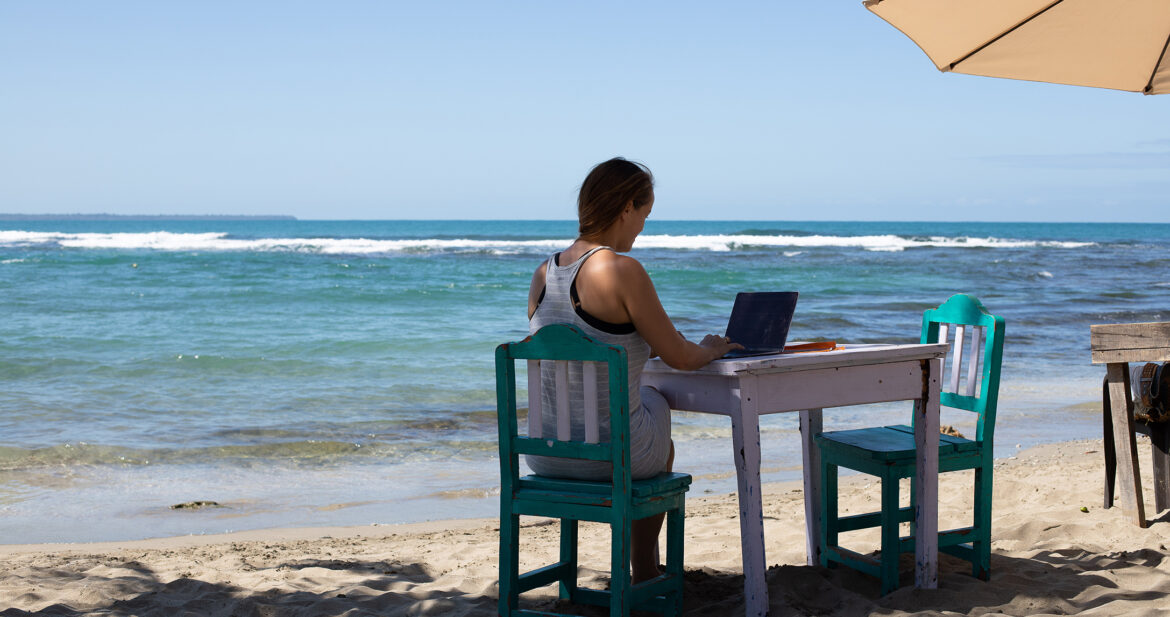
The reality of remote work is that you often end up perched at kitchen counters, patio tables, sun-loungers and, occasionally, hotel beds pretending to be desks. To make this more comfortable, I keep a tiny comfort kit with a compact keyboard, a scarf that doubles as a cushion, blue-light glasses and a water bottle to help me stay hydrated during long sessions. A few simple tweaks, like raising your laptop on stacked books or changing your chair angle, can make a lasting difference on the days you are glued to your screen.
Organisation That Makes The Difference
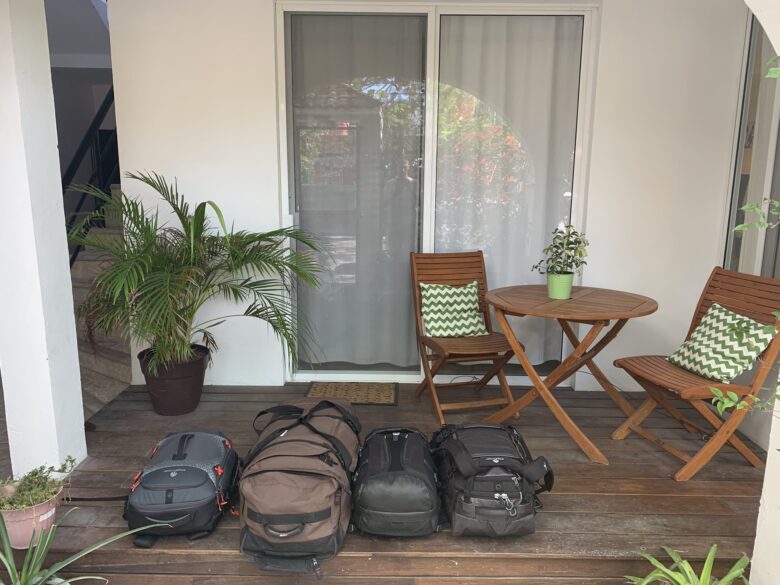
I have experimented with everything from minimalist carry-ons to slightly excessive packing, and the system that works best for me is a simple two-bag setup. My day bag holds my laptop, essentials and anything I need quick access to while I am out, while my main luggage carries clothes, toiletries and bulkier items. Packing cubes keep outfits pressed and neat, and a tech pouch stops cables from creating their own little nest. Keeping work gear separate from the rest of my belongings also makes shifting between travel mode and work mode feel less chaotic.
Clothing for Work, Play, and Trading
You actually don’t need a huge wardrobe. A capsule setup following the 3-3-3 rule or anything that works best for you, across climates, calls, and time zones, is enough. I stick to a couple of tops that look polished on camera, a light jacket or cardigan for chilly morning sessions, and trousers that refuse to crease even when they have been through several flights. I also pack one outfit that makes me feel instantly put-together on days when jet lag leaves me a little worn out.
Health and Wellbeing Items That Earn Their Space
Travel days and varied schedules make well-being a little harder to manage, so I carry a few comforts that help me reset. Earplugs and an eye mask save me from unpredictable accommodation noise, a small pouch of basic medication handles any unexpected moments, and a couple of snacks usually keep me going when a delayed train overlaps with a market open. I also bring a lightweight resistance band for a quick stretch after long hours at makeshift desks.
Security and Data Protection on the Go
When you work with sensitive information or financial accounts, your devices need another layer of caution. Here’s how I keep my security basics consistent:
- Password manager
- Device locks with two-factor authentication
- VPN on public Wi-Fi
- Keeping devices in sight in cafés and shared spaces
- A discreet, non-obvious bag for carrying tech
These habits are easy to implement immediately, and they keep everything running smoothly, no matter where I am logging in from.
Adjusting Your Packing List for Different Climates
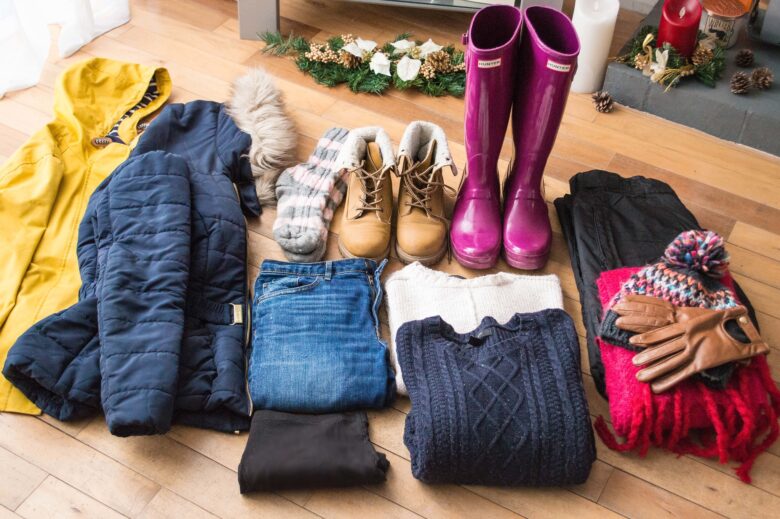
Your core kit should ideally stay the same, but the clothing and comfort items can change depending on the destination. Hot and humid places call for breathable fabrics and a waterproof case for electronics, especially if you plan to work outdoors. Cooler destinations such as the UK or Portugal in winter require extra layers, thicker socks and a compact umbrella. If you are travelling in rainy or monsoon seasons, quick-dry outfits and dry pouches for tech are essential.
Light vs Heavy Packers: Finding Your Sweet Spot
Everyone falls somewhere on the scale between minimalist and comfort seeker. Some travellers thrive with a single carry-on, while others prefer bringing a few comforting extras. I fall somewhere in the middle. Minimalists might prefer multi-use items, such as a packable jacket, while comfort lovers might allow themselves two or three small luxuries that make long working days feel easier. If you are travelling long-term, it helps to reassess every few weeks and donate anything you are no longer using.

Insurance and Protecting Your Tech
If your work relies heavily on your devices, travel insurance with gadget cover is worth considering. Losing a laptop or phone when you are away from home does not just delay emails. It can disrupt your ability to work or check markets entirely, so a little protection can offer a surprising amount of peace of mind.
Adaptable Is Better Than Perfect
A well-thought-out work-from-anywhere packing list is not about perfection. It is about finding the balance that supports you, whether you are catching a sunrise market session from a balcony or joining meetings between sightseeing. Start with the essentials, include a few comforts that make your days easier and let your packing evolve with each trip. Ultimately, this flexibility is vital to maintain the joys of working while exploring the world.
Photo credits: digital nomad, wifi, boat, backpacks
Leave a Reply