Last updated on October 16, 2026
A renovation has a way of taking over your life before you even realise it. One week you’re choosing paint samples at the kitchen table, and the next you’re eating takeaway beside a stack of tiles. When the mess starts to spread, a few practical habits can stop the whole project from feeling exhausting.
Why staying organised makes a big difference
Even a modest update can create more disruption than most people expect. Dust settles into odd places, furniture ends up shuffled from room to room, and suddenly you can’t find the screwdriver you used yesterday. By keeping track of where things belong, you waste less time searching and spend less energy dealing with avoidable frustration.
Good organisation also helps tradespeople work more efficiently. If they can access tools, materials and walkways easily, jobs tend to move along with fewer delays. That matters when you’re already living around noise, deliveries and changing schedules. A clear system gives you a sense of control when the house itself feels temporary.
Simple strategies for managing your belongings
Before the disruptive work begins, go through each room carefully and sort items into realistic categories. Some things need daily access, while others can disappear for a few months without causing problems. Old paperwork, unused gadgets and appliances, cables, and clothes you no longer wear often take up far more room than you think.
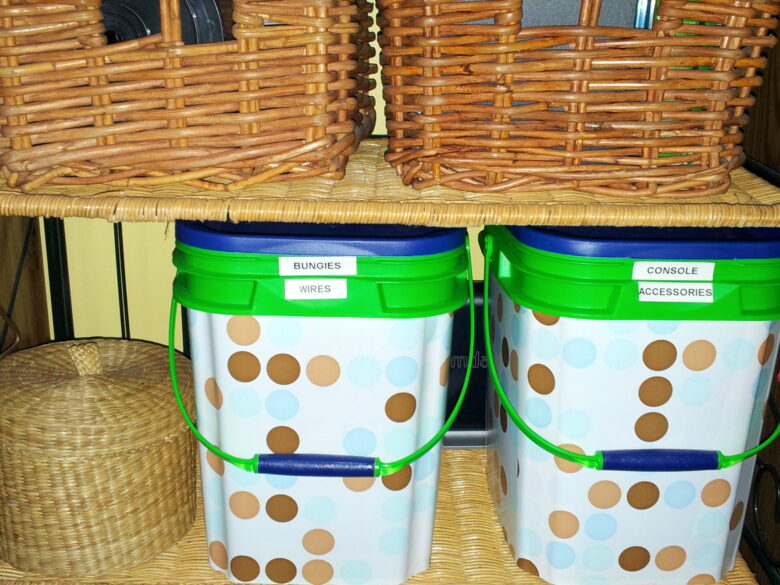
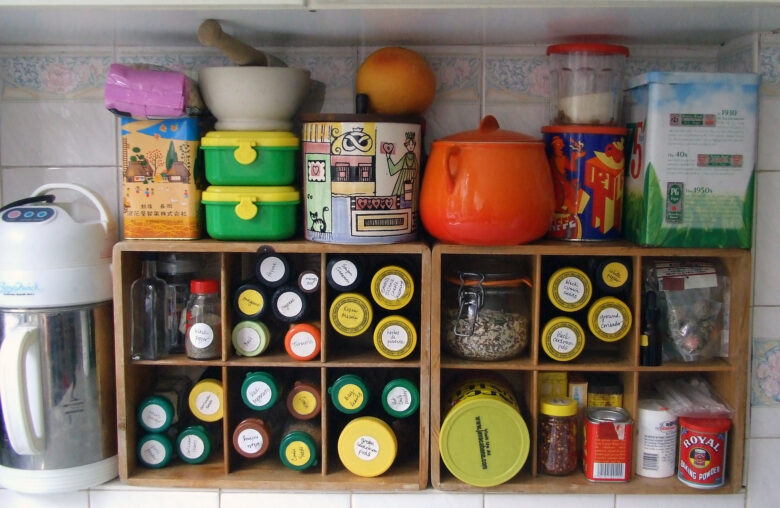
Creating small zones around the house makes daily life easier during the project. You might keep essentials like chargers, medication and paperwork in one cupboard while using another area for packed boxes. Labelling containers properly saves you from opening five identical boxes just to find something.
Photographing shelves or cable setups before dismantling them can also save time later. It sounds minor, but when you try to reconnect a television or rebuild storage units weeks afterwards, those quick photos become surprisingly useful.
Keeping your space clear during renovation
Renovation work slows down quickly if every surface collects tools, paint tins, loose materials and all sorts of other things. Clear floors make rooms safer to move through, especially if children or pets still live in the house during the work.
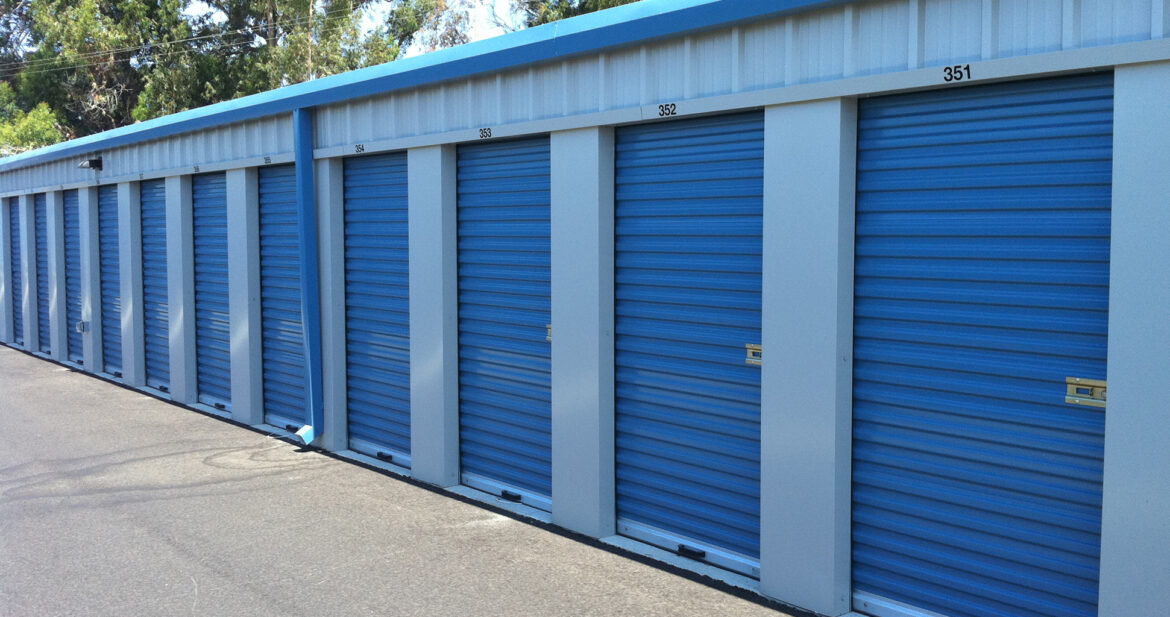
Some homeowners shift less-used furniture into a loft or spare room, though larger projects often need extra breathing space. Many people use self-storage in Manchester, or wherever it’s convenient for them, when bulky furniture or seasonal items start getting in the way. Moving those pieces out temporarily can free up entire rooms for decorating, flooring or electrical work without forcing you to squeeze around stacked boxes for weeks.
Small routines help more than grand systems. Keeping screws in labelled tubs, folding dust sheets away when not in use and storing tools in one dedicated spot prevents clutter from building up again and again.
Maintaining organisation throughout the project
The hardest part usually comes halfway through, when enthusiasm dips and unfinished jobs seem to appear everywhere. At that stage, consistency matters more than perfection. A quick evening reset often makes the next day feel far more manageable.
Leave yourself ten minutes at the end of each day to put things back where they belong. That simple habit keeps the project moving without turning your entire home into a permanent building site.
Photo credit: header, storage boxes, spice rack
Leave a Reply