
Last updated on October 16, 2026
It seems unlikely that a simple grid of numbers could weave itself so tightly into our social fabric, yet here we are. Bingo has long been more than a gamble—it’s a ritual, a lifeline of laughter and shared anticipation. Over centuries, the game has adapted to fit changing times without losing that familiar thrum of excitement when someone’s about to shout “Bingo!” And honestly, despite the shifts in format and technology, there’s something undeniably comforting about that moment of collective pause, the hush before the big reveal.

A Game’s Unexpected Beginning
Believe it or not, bingo’s lineage stretches back to 16th-century Italy, where it began as a lottery known as Lo Gioco del Lotto d’Italia. Farmers and townsfolk waited eagerly each Saturday, pencils in hand, to see if their numbers—scrawled on wooden boards—would be called. By the 18th century, the aristocrats of France had adopted a version called “Le Lotto,” playing it at salons and elegant soirées. It wasn’t until the 1920s that bingo hopped across the Atlantic.
In America, a carnival-goer marked her card with beans and cried out “Beano!”, inspiring toy salesman Edwin S. Lowe to market the game under its new, catchier name. Suddenly, bingo wasn’t just a rural curiosity or a polite party game. It was a nationwide pastime, spawning local tournaments and charity fundraisers from coast to coast.
Halls of Hope and Laughter
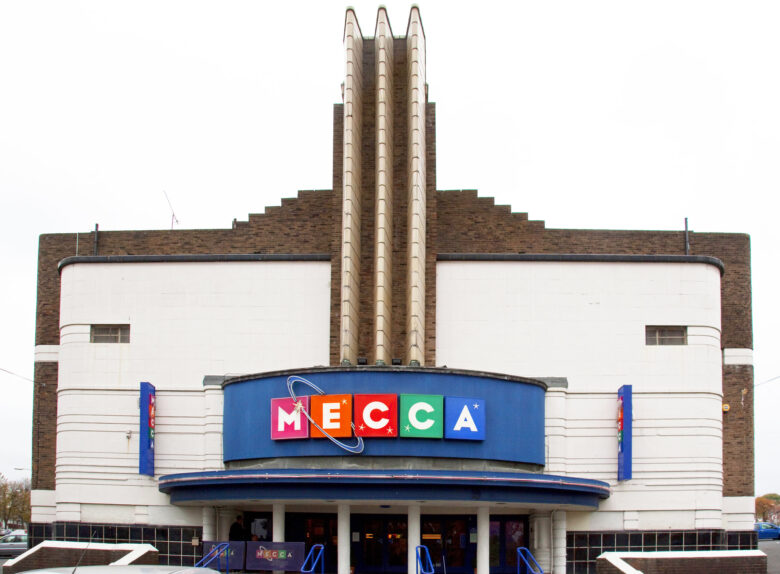
Fast-forward to post-war Britain and the United States in the 1950s and ’60s. Community halls—once darkened cinemas—lit up with rows of folding tables and bright overhead lights. Neighbors crowded in, clutching 75-ball cards and neon-tipped daubers. For many, bingo night was the highlight of the week: the one chance to see friends, share gossip, and chase the dream of a full house.
Who hasn’t felt that jolt when a caller’s voice boomed through a mumbled sea of players? The atmosphere was electric, even in dusty town halls far from city lights. That blend of ritual, community, and just-getting-lucky thrill is what cemented bingo as more than a game—it was a social anchor.
Unfurling on Screen
Then came the digital revolution. As home internet became ubiquitous, those same community-hall thrills found a new home: our browsers and smartphones. Suddenly, no car ride was required. No need to navigate dark parking lots. Once a community hall staple, online bingo now brings the same excitement and camaraderie straight to your living room.
Online platforms automated the boring bits—checking cards, tallying winners—while preserving the heart of the experience. Some even introduced chat rooms, virtual daubers, and themed rooms inspired by favorite TV shows or decades gone by. It’s quirky, isn’t it, that a game centuries old would flourish in pixels and code?
- Always-on access, day or night
- Global communities, all cheering (or commiserating) together
- Variety of patterns, bonuses, and jackpots
That mix of novelty and nostalgia makes each session feel fresh yet familiar.
Why It Feels Like Home
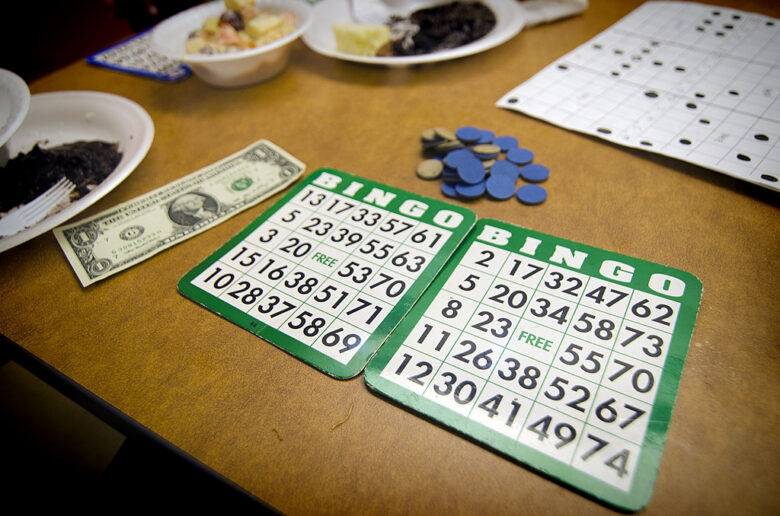
There’s an almost meditative quality to marking off numbers. You lean in, you listen, and for a few minutes you’re part of something bigger—even if you’re playing solo on your sofa. Maybe that’s why bingo remains a comforting constant, particularly when routines feel shaky. Whether it’s the chatty banter in a digital room or the shared sigh as someone nearly misses number 47, bingo reminds us we’re connected.
Join the Conversation
What’s your bingo story? Maybe you first learned on a wooden card at your grandmother’s kitchen table, or perhaps your go-to room is online at midnight. Leave a comment below, share your favorite bingo memory, or tell us which patterns keep you on the edge of your seat.
photo credits: header, Cinque Terre, Mecca Bingo, bingo cards
Leave a Reply