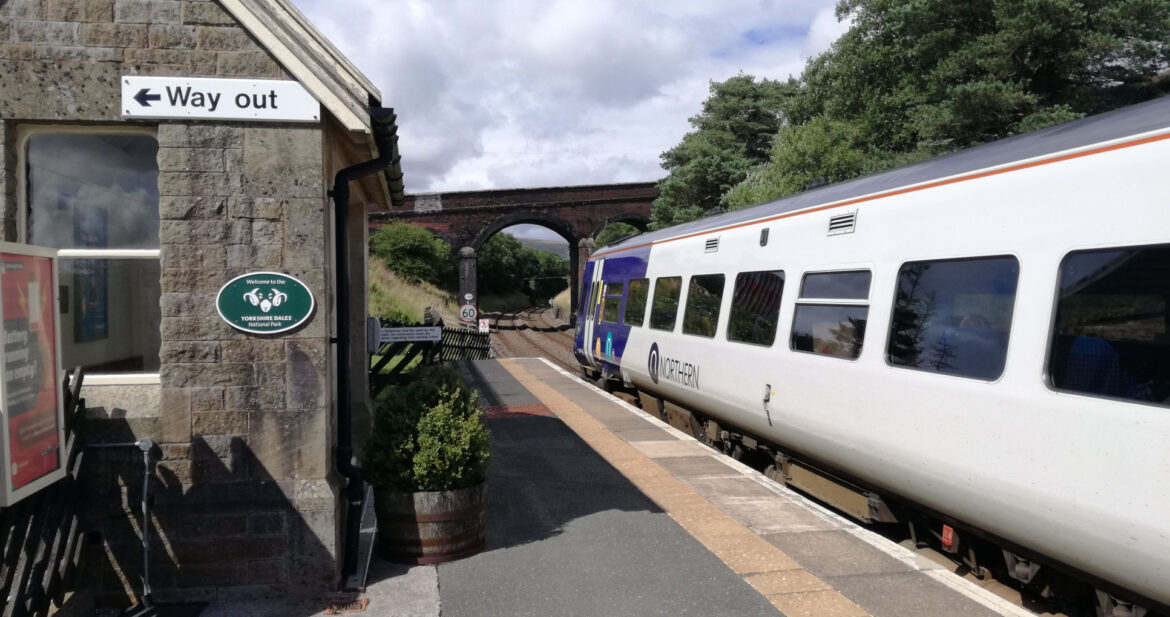
Last updated on October 16, 2026
In the UK, the words ‘public transport’ can conjure several images, from the buses that snake through urban centres to the trams that speed across Northern suburbs and under London boroughs. But really, there’s one image that’s conjured more than most: the train.
Britain is somewhat defined by its rail network, which fundamentally connected our disparate towns and cities and paved the way to an interconnected nation. And the younger generations amongst us are re-engaging with that cultural pedigree more than ever. Far more than a means to commute, rail is a possibility to explore the country, and one that Millennials and Gen Z are grabbing with both hands. Here’s how.
Changing Travel Habits
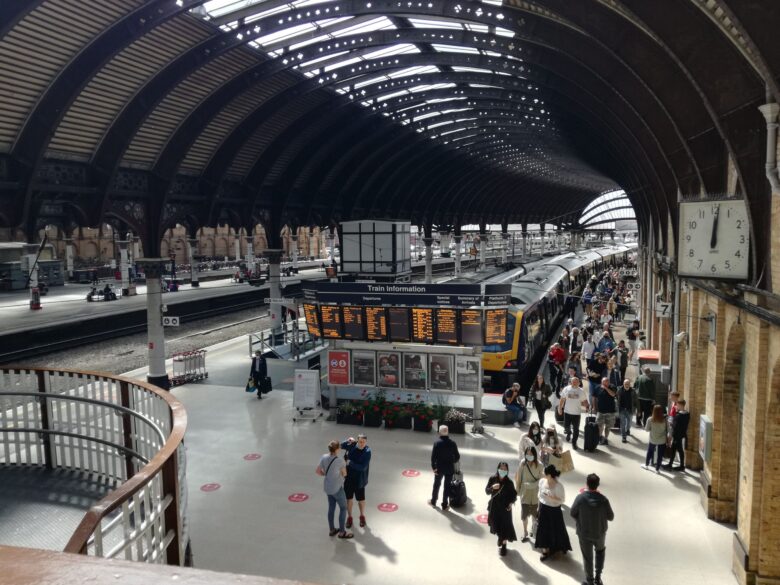
One of the major driving forces behind what is a generational shift, is that of the changing use of the railways. For most, trains are a convenient mode of public transport for commuting, and commuting at one point dominated usage statistics. But recently, rail travel is increasingly driven by leisure usage; younger travellers are making more rail trips for non-work reasons than they used to. In 2024, 35% of all rail journeys in England were taken for leisure and only 2.1% less than trips taken for commuting purposes.
Rail as Scenic Escape
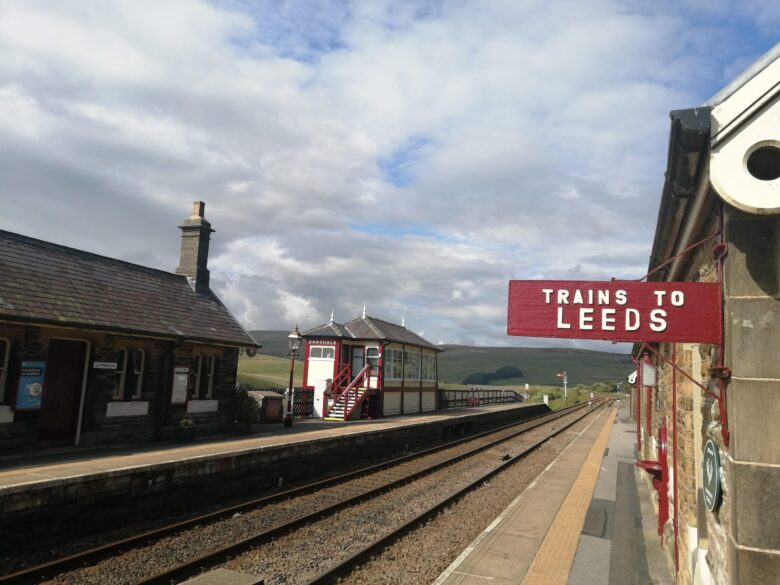
But what does this mean? Well, there’s an indication that younger generations are increasingly interested in exploring the nation and that rail is one of the best ways to do it. The coverage of Britain’s rail network is such that it is easier than it initially seems to get to nature, particularly when combining train travel with walking and cycling. Put simply, today’s younger travellers are embracing rail holidays as a stylish and sustainable way to escape the city, reach countryside trails and drink in some of the most sublime landscapes in the Western hemisphere.

The Role of Sustainability
Of course, there is a reason behind the reason; generations do not decide to reconnect with domestic landscapes in a vacuum. Really, there are a plurality of reasons behind this generational shift, but one is particularly compelling: the environment. Travelling by rail is more environmentally sustainable than other forms of travel, from driving to, of course, flying. As such, there is a generational eschewal of international air travel underway and the domestic ‘staycation’ is plugging the gap.
The revival of rail travel couldn’t come at a better time, as the UK government moves to renationalise rail services and improve them for all. As demand increases, so too does expectation and a world in which we all benefit from the increasingly expeditious rail-travelling pursuits of our youngest generation, all the better.
Leave a Reply