
Buying a used car can make perfect financial sense. A well-chosen used vehicle can offer years of reliable motoring for a fraction of the cost of buying new.
When you approach the process with the right knowledge, you’re in a stronger position to find a vehicle that suits your needs and fits your budget. To help you make the best choice, here are some key points to be aware of before you buy a second-hand model.

Research the car before you view it
Before you set foot on a forecourt, spend time researching what’s available. Selecting a vehicle requires balancing your daily mileage with realistic running costs, including insurance groups and annual road tax.
Reliable models from brands like Toyota or Honda might cost more to begin with, but they save you money on repair bills down the line. Once you spot a promising listing, note down the registration number. Enter this number into the UK government’s free online MOT history portal to reveal the car’s past mechanical failures and any current advisory notices regarding worn components.
Check the vehicle’s history and documentation
When you find a car that you like, be sure to check the paperwork. You must insist on viewing the original V5C logbook, ensuring the watermark is present and the chassis number matches the metal plate stamped under the bonnet.
A complete service booklet packed with stamps proves the previous owner cared for the engine properly. For absolute peace of mind, you might want to consider buying a comprehensive HPI check to identify if a bank still owns the car through an active finance agreement. This check also flags whether insurance firms previously wrote the vehicle off or if data logs indicate mileage tampering.
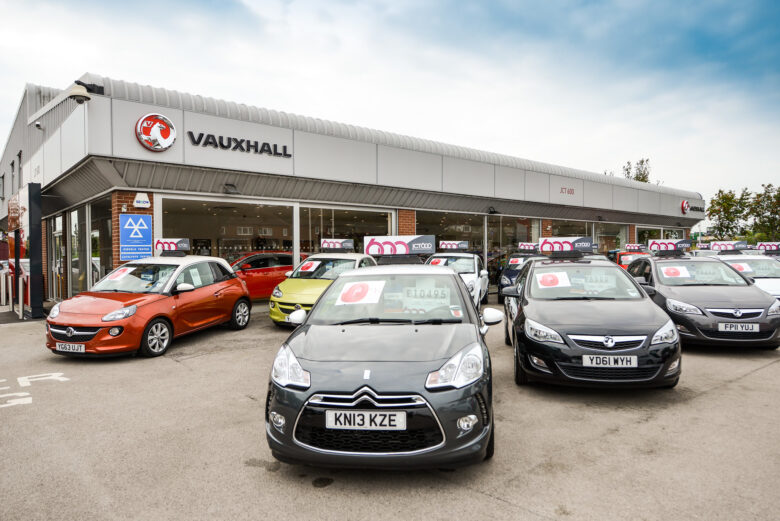
Inspect the car thoroughly and take a test drive
A physical evaluation requires daylight and a dry afternoon, as rain easily hides bodywork imperfections and poor paint repairs.
Walk around the panels to check for uneven gaps, which usually indicate poorly repaired accident damage. Inside the cabin, turn on the air conditioning and test every window switch. Also, look for heavy wear on the steering wheel that might contradict a low mileage reading.
During the test drive, listen carefully for suspension clunks over bumps and ensure the car tracks straight when you safely loosen your grip on the wheel. Booking an independent vehicle inspection also provides an expert mechanical report if you feel unsure about evaluating the engine yourself.
Understand pricing, negotiation and payment
To make sure you know what to expect in terms of pricing and market value, compare similar listings online, while adjusting your expectations for high mileage or wear and tear. Dealers build profit margins into their prices, so politely point out any cosmetic defects you discovered during your inspection to justify a lower offer.
Private sellers often accept a lower price for a quick, hassle-free sale. When you agree on a figure, transfer the funds using a secure bank transfer rather than carrying large amounts of cash. Always demand a signed, dated paper receipt from the seller before you drive away with your new keys.
Photo credits: header, small car, used car lot
Leave a Reply